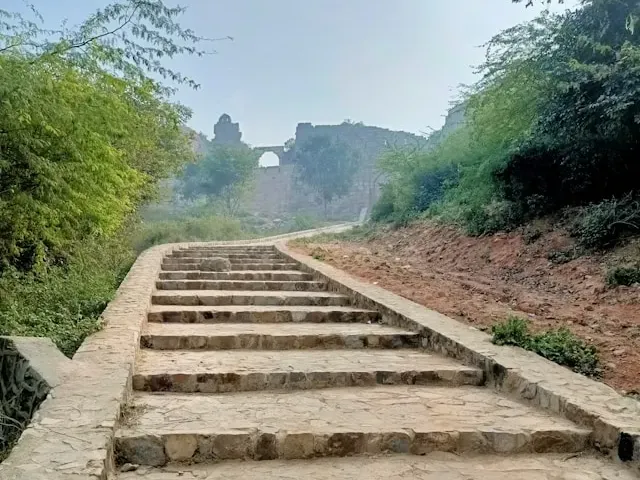
Paths of Yoga
While modern yoga in the Western world conjures up images of people contorting themselves into pretzels, there is much more to yoga than just practicing physical postures (asanas)--this is just one component of one path of yoga, and some paths of yoga do not involve asanas at all. Yoga is ultimately an umbrella term for many disciplines aimed toward spiritual liberation and Self-realization--a long journey of remembrance of our true nature as divine beings having a human experience, and one can take many paths on this journey.
Time spent on the mat falls under a specific type of yoga called Hatha Yoga, and asanas are just one component of Hatha Yoga; it also involves mantra, purification methods, and breathing techniques (pranayama). The original purpose of practicing Hatha Yoga was to prepare the body for long periods of seated meditation; it is a means for working out tension and energetic blockages in the mind and body to allow spiritual insight to flow freely in the state of meditation. While this is the original intention, consistent asana practice also has many long-term benefits for mind and body, including improved strength, balance, flexibility, sleep, nervous system regulation, and stress management.
Other paths of yoga include Karma Yoga (yoga of selfless service), Jnana Yoga (yoga of knowledge), Raja Yoga (yoga of meditation and self-inquiry), Tantra Yoga (yoga of the body and mind), and Bhakti Yoga (yoga of devotion). Yoga is an open practice, meaning we are free to choose the particular path(s) that speaks to us most.
To learn more about the different paths of yoga, click here.